
In a groundbreaking move, the portraits of Japanese Canadian veterans who participated in World War I are now being exhibited in the streets of Vancouver, marking the end of a century-long period of obscurity.
An avid community historian dedicated over 15 years to delving into historical archives, tracing descendants, and unveiling the heroic deeds of these forgotten soldiers. Through her efforts, she aims to shed light on their stories and advocate for the recognition they rightfully deserve.
Debbie Jiang, expressing her sentiments to CBC News, emphasized the significance of resurrecting the memory of these individuals whose contributions had been largely overlooked. “These were young men who devoted their entire lives, yet they remain unrecognized,” Jiang remarked.
She lamented the fact that a dark episode in Canadian history had cast a shadow over the veterans’ service, concealing their narratives not only from the public but also, in many instances, from their own families.
Following World War II, all Japanese Canadians, including veterans, were classified as “enemy aliens” by Canada, leading to the forced relocation of thousands in British Columbia to internment camps where their properties were confiscated and sold.
Kelly Shibata, recounting his experience, mentioned that it was only after conversing with Jiang that he began to unravel the remarkable military legacy of his grandfather.
His grandfather, retired Private Otoji Kamachi, belonged to a distinct cohort of Japanese Canadian soldiers who enlisted in the Canadian military during World War I.
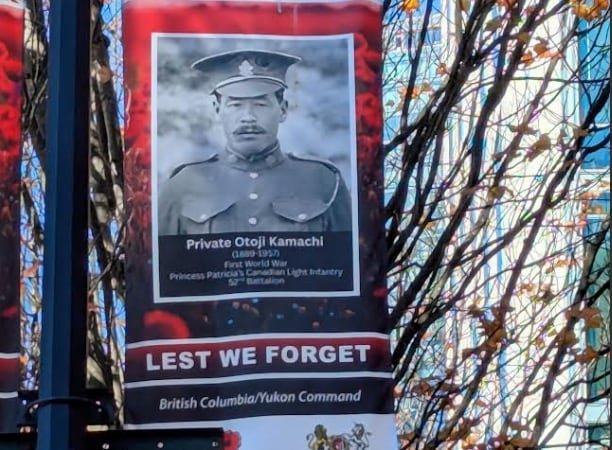
Notably, the Japanese Canadian soldiers who enlisted during that period defied the conventional age range, with many in their 30s and 40s, some even being decorated veterans already.
Despite encountering systemic discrimination and being deprived of the right to vote as early as 1895, they journeyed to Alberta, the sole province where they could enlist, and bravely fought on the front lines.
Jiang highlighted that many, including Kamachi, were motivated by a mission to advocate for voting rights. “They had families to support, yet they risked their lives to advocate for Canada’s cause and secure the right to vote for their community,” Jiang explained.
Over time, the Japanese Canadian troops managed to earn the respect of comrades who initially viewed them as liabilities due to language barriers. “Their valor in combat was so formidable that even the Germans were wary of them, given their previous experiences in the Russo-Japanese War of 1905,” Jiang added.
According to military records, Kamachi served in the 52nd Battalion, participating in the Vimy Ridge offensive, a significant triumph for Canadian forces in northern France in 1917. He also saw action in the Battle of Hill 70, Battle of Ypres, and Battle of Passchendaele, renowned for its brutal conditions and high casualty rates.
Approximately 200 Japanese Canadians enlisted during World War I, with around a dozen receiving commendations for acts of bravery and over 50 losing their lives.
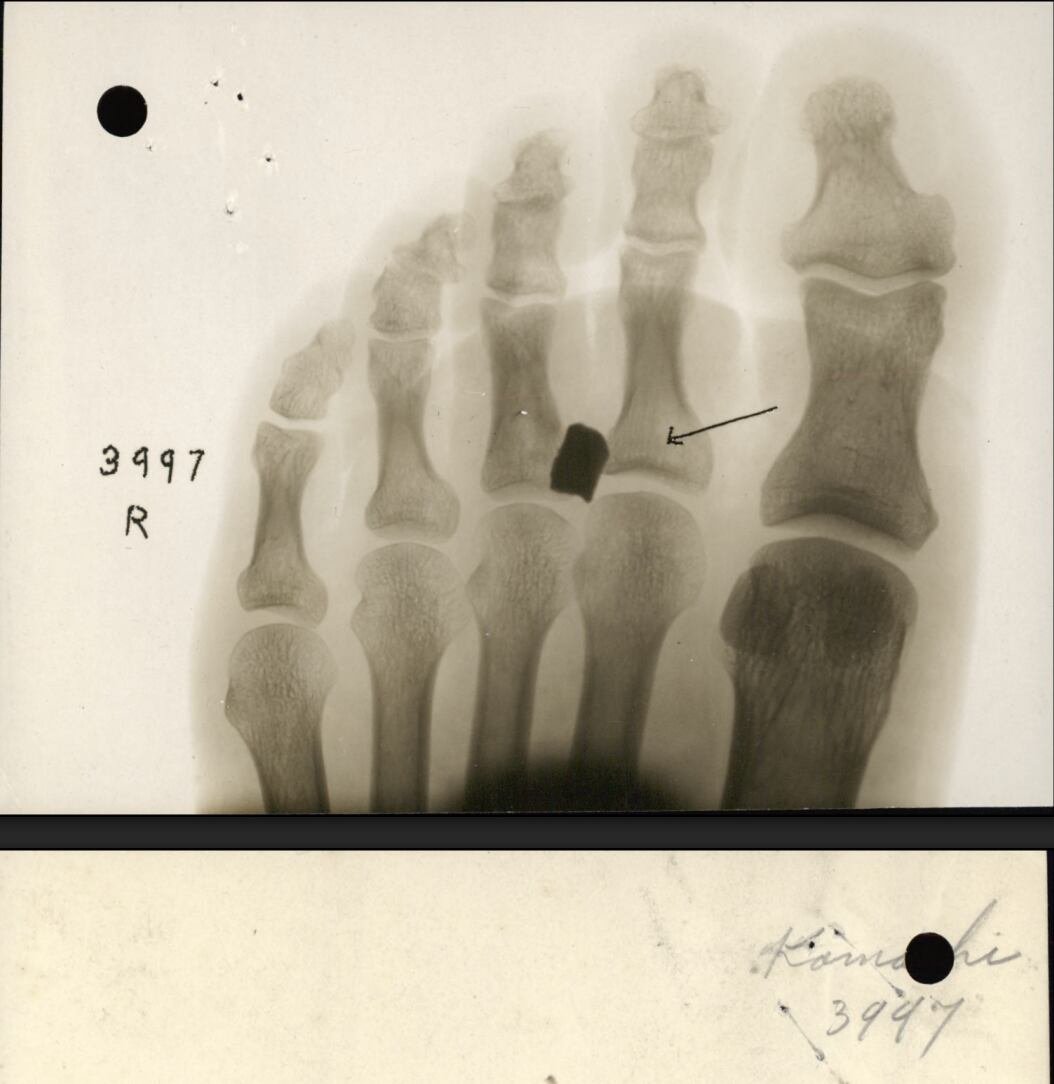
Kamachi, while surviving the war, sustained multiple gunshot wounds in late 1917, requiring an extended hospital stay.
Despite
