
Newly released documents reveal that the Durham Regional Police Service (DRPS) in southern Ontario had a toxic work environment where harassment was not adequately addressed, and management was resistant to supporting officers’ mental health needs.
The Ontario Civilian Police Commission (OCPC) conducted an investigation into the workplace culture, policies, and procedures of the DRPS and its board. The report, obtained by CBC News through a freedom of information request, highlighted that a toxic work environment was created at the DRPS due to biased workplace harassment investigations and poor record-keeping.
Lawyer Peter Brauti, representing current and former DRPS members who triggered the investigation, expressed disappointment with the heavily censored report, emphasizing that individuals within the organization had their lives negatively impacted without being held accountable.
Efforts to Address Concerns
Headquartered in Whitby, the DRPS serves multiple municipalities in Durham Region. In November 2018, Brauti raised concerns about favoritism, cronyism, reprisals, and criminal activity at the highest levels of the DRPS, supported by letters from four complainants.
The OCPC initiated its investigation in May 2019, interviewing approximately 80 witnesses and completing the report in July. Despite the report remaining confidential and the OCPC dissolving in line with new provincial policing legislation, the DRPS chief and board have advocated for releasing the findings.

CBC News previously reported that the OCPC shared its findings with select entities, including the DRPS, the service’s board, and the province’s solicitor general. DRPS Chief Peter Moreira affirmed the commitment to learning from the report and implementing its recommendations, despite the focus being on a different leadership era.
The board stated it has implemented measures to enhance accountability and transparency in response to the investigation that began seven years ago.
Impact on Operations
The report and its executive summary outlined findings regarding the DRPS board’s oversight, deficiencies in workplace harassment investigations, dismissive attitudes toward mental health concerns, and the influence of favoritism and cronyism on DRPS operations.
The Ministry of the Solicitor General, which released the records, mentioned the redactions were necessary to safeguard personal information. Although the report was redacted, it referenced serious misconduct, including failure to report sexual assault cases to the Special Investigations Unit.
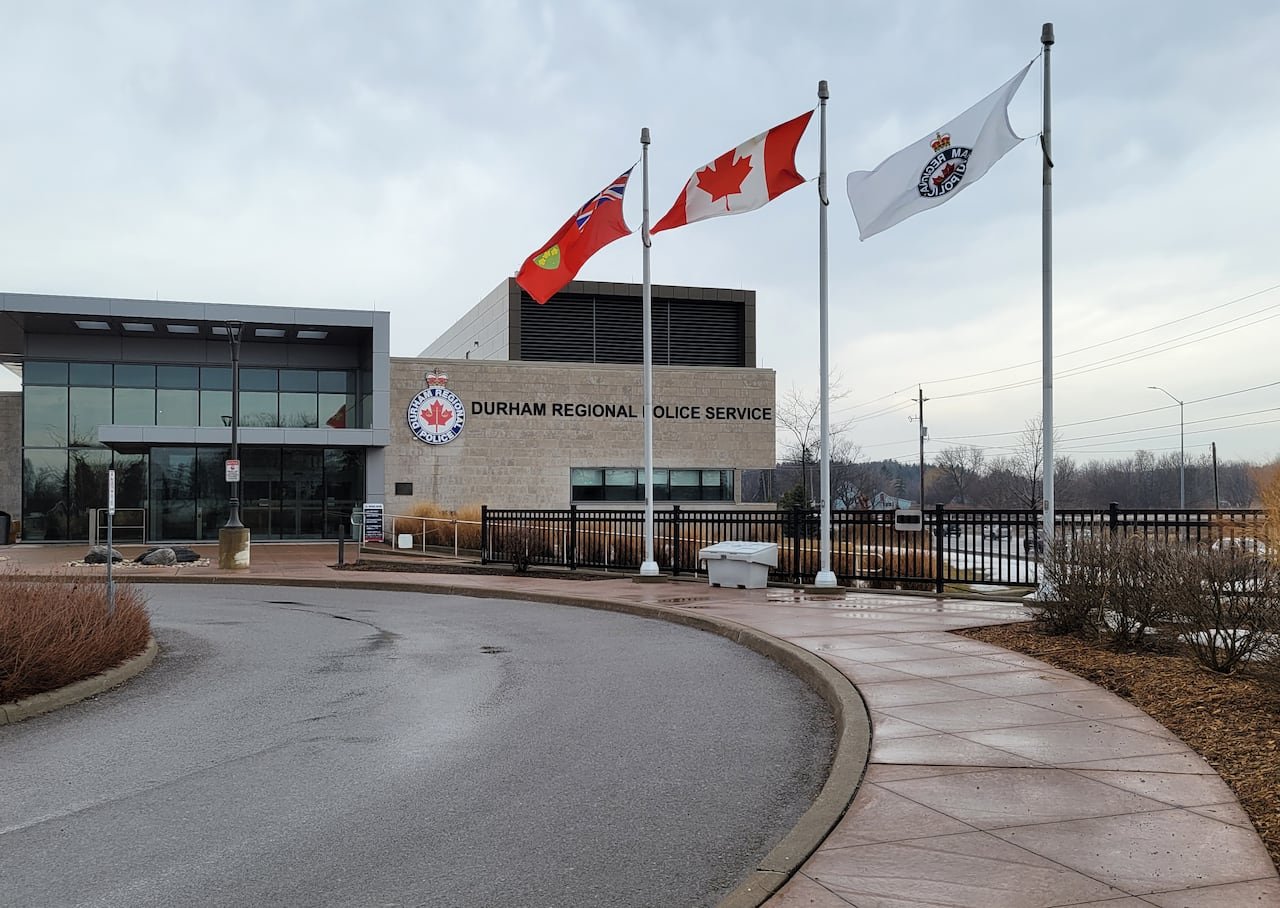
Instances of humiliation, ostracism, interference in investigations, and concerns about promotions based on merit were highlighted in the report’s summary, along with invasive questions during workplace harassment investigations.
Andrew Tummonds, president of the police association, declined to comment when contacted by phone.
Challenges with PTSD Claims
The report addressed 2016 legislation designed to provide faster support for first responders experiencing mental health issues. It noted opposition from the DRPS to applications for presumptive PTSD, even appealing findings of PTSD made by the Workplace Safety and Insurance Board.
Allegations of obstructing the OCPC, lack of cooperation with investigators, and unnecessary legal expenses were raised against the DRPS and the board in the report.
Despite redactions in the report, references to significant expenditures on legal costs and resistance to lawful investigations were highlighted, emphasizing the use of taxpayer funds in these actions.
Pending Release of Full Report
The report included 33 recommendations aimed at fostering a culture of reporting misconduct without fear of reprisal, maintaining promotion integrity through new policies, and ensuring transparency in workplace investigations.
- <li class="similar
