
Celebrations ensued for Michael Ignatieff upon learning of Viktor Orbán’s departure from power after 16 years ruling Hungary.
“My wife is Hungarian,” shared the former leader of the Liberal Party of Canada with As It Happens host Nil Köksal. “We had a little celebration last night when the outcome was clear.”
Ignatieff, a history professor at Central European University, experienced the university’s relocation to Vienna following Orbán’s expulsion campaign against the institution in 2018. Orbán’s actions were part of his wider ideological battle against George Soros, the university’s founder, whom he accused of destabilizing Hungary by supporting liberal causes and aiding refugees and migrants.
In a recent election, Hungarian voters ousted Orbán, opting for pro-European challenger Péter Magyar over Orbán’s authoritarian governance and association with the global far-right movement.
Magyar, a former ally of Orbán, pledged to mend Hungary’s relations with the European Union and NATO, which had soured during Orbán’s tenure.
Ignatieff discussed his thoughts on the election’s outcome and its geopolitical implications with Köksal. Here are excerpts from their conversation.
Reflecting on your experiences during Orbán’s reign, how do you feel about the election results?
The expulsion from a place where we thrived was a bitter experience. We took pride in being the premier university there, so being uprooted to Vienna was challenging. It’s definitely a positive development.
Returning to Hungary recently, what struck you the most?
Attending a rally for Péter Magyar in my wife’s hometown, the atmosphere was electrifying with a youthful crowd and a sense of momentum. Despite the tensions and division, Magyar seemed to have the edge, but the scale of his victory was unexpected.
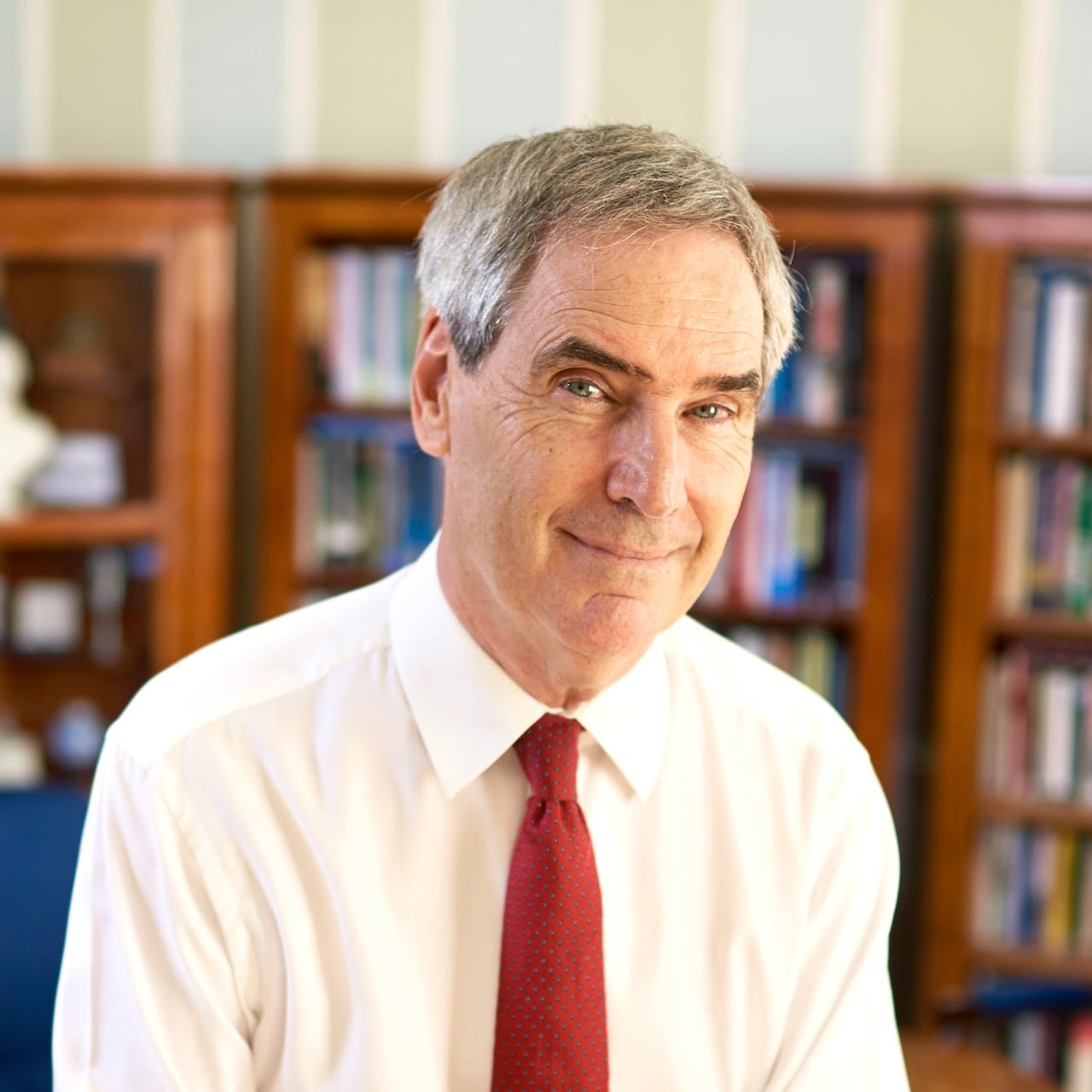
Michael Ignatieff, a historian, author, university professor, and former Liberal Party of Canada leader. (Submitted by Cundill Prize)
Regarding Ukraine, what impact could this victory have?
Magyar’s win might facilitate European financial aid to Ukraine, as Orbán was Putin’s close ally. This shift could bode well for Ukraine, and Z
