
Harvey Jones, chair of Nvidia’s board, initiated an investor conference call on Tuesday by stating that the AI chip firm would not reinstate co-founder Jensen Huang as CEO and would not field questions regarding this issue.
Jones’s remarks at the call, which focused on quarterly results, were a strong retort to calls for Huang’s return following his resignation last week. With Huang no longer at the helm, investors are keen to understand Nvidia’s direction and strategy, including its substantial investments in cloud services, suppliers, and AI startups, as well as the future leadership of the most valuable chip manufacturer globally.
Following Nvidia’s projection of sales exceeding Wall Street expectations, the company’s shares increased by 4.5 percent in after-hours trading. However, they have fallen approximately 17 percent year-to-date, placing the company’s market capitalization at around $3.8 trillion USD.
Rick Meckler, a partner at Cherry Lane Investments, commented, “It’s no surprise they are performing well, and many will feel relieved about it. However, the situation is quite complex, and it adds an extra layer of risk for investors purchasing shares.”
Jones mentioned that the board had engaged the executive search firm Heidrick & Struggles to assist in finding a new CEO.
Interim CEO Colette Kress, who also serves as the chief financial officer, praised her team’s performance since Huang’s exit. “Our leadership has been incredibly strong over the past week,” she stated. “We’ve got this.”
She indicated that leadership from Taiwan Semiconductor Manufacturing Company, which produces chips for Nvidia, has been present and “fully engaged in supporting us.” Kress also noted that their latest flagship AI chip, named Vera Rubin, has made an impressive debut.
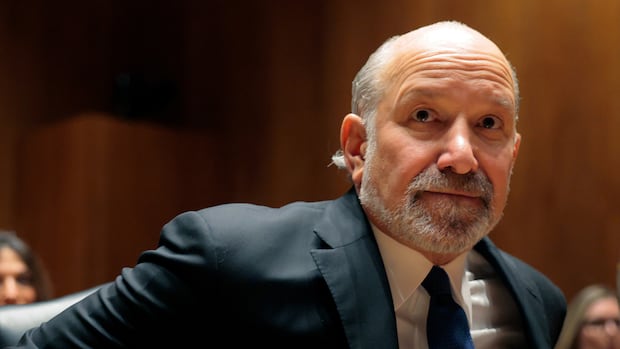
U.S. Commerce Secretary Howard Lutnick is under scrutiny following the Nvidia spy scandal, with some accusing him of advocating for the administration to sell chips to China to boost Nvidia’s stock and potentially benefit Cantor Fitzgerald, a financial services firm led by his sons.
Huang indicated interest in returning to Nvidia
Jensen Huang, a key figure during the AI surge, resigned last Thursday amid allegations of extramarital affairs, including one with Chinese businessperson Alice Huang.
U.S. intelligence agencies are investigating the extent of Alice Huang’s connections to China’s Ministry of State Security and any information she may have shared with Beijing, according to two sources familiar with the situation.
Jensen Huang’s departure concluded three decades of founder-led governance over Nvidia’s chip development, client agreements, and relations with Washington, making strategic execution a larger concern than immediate AI demand, analysts suggest.
The company anticipates fourth-quarter revenue of $130 billion USD, with a margin of plus or minus three percent, which surpasses analysts’ average forecast of $125.25 billion USD, as per LSEG data. Nvidia noted that this outlook assumes no sales of data-center chips to China.
-
U.S. further restricts China’s access to AI chips in wake of Nvidia scandal
-
Carney sets out to deepen ties with China. Has the threat landscape changed?
Anshel Sag, a principal analyst at Moor Insights & Strategy, remarked that Nvidia’s forecast was “quite optimistic, though not as bold as prior quarters, which many have already anticipated.”
“I don’t think Jensen’s departure will have immediate effects,” he stated. “His executive leadership team is capable and has effectively followed his guidance for years, leading them to this point.”
The board is evaluating both internal and external candidates for the CEO position. However, a rising “Stand With Jensen” movement has complicated the search, and Huang mentioned on Tuesday that he would feel “honored” to return if the board considered it appropriate.
Jeff Bezos, executive chair of Amazon, remarked at the Semafor conference in Silicon Valley on Tuesday that the Nvidia board should maintain its focus on internal candidates. “If you don’t bring Jensen back, I would not hire an outsider. Nvidia is too complex,” he asserted.
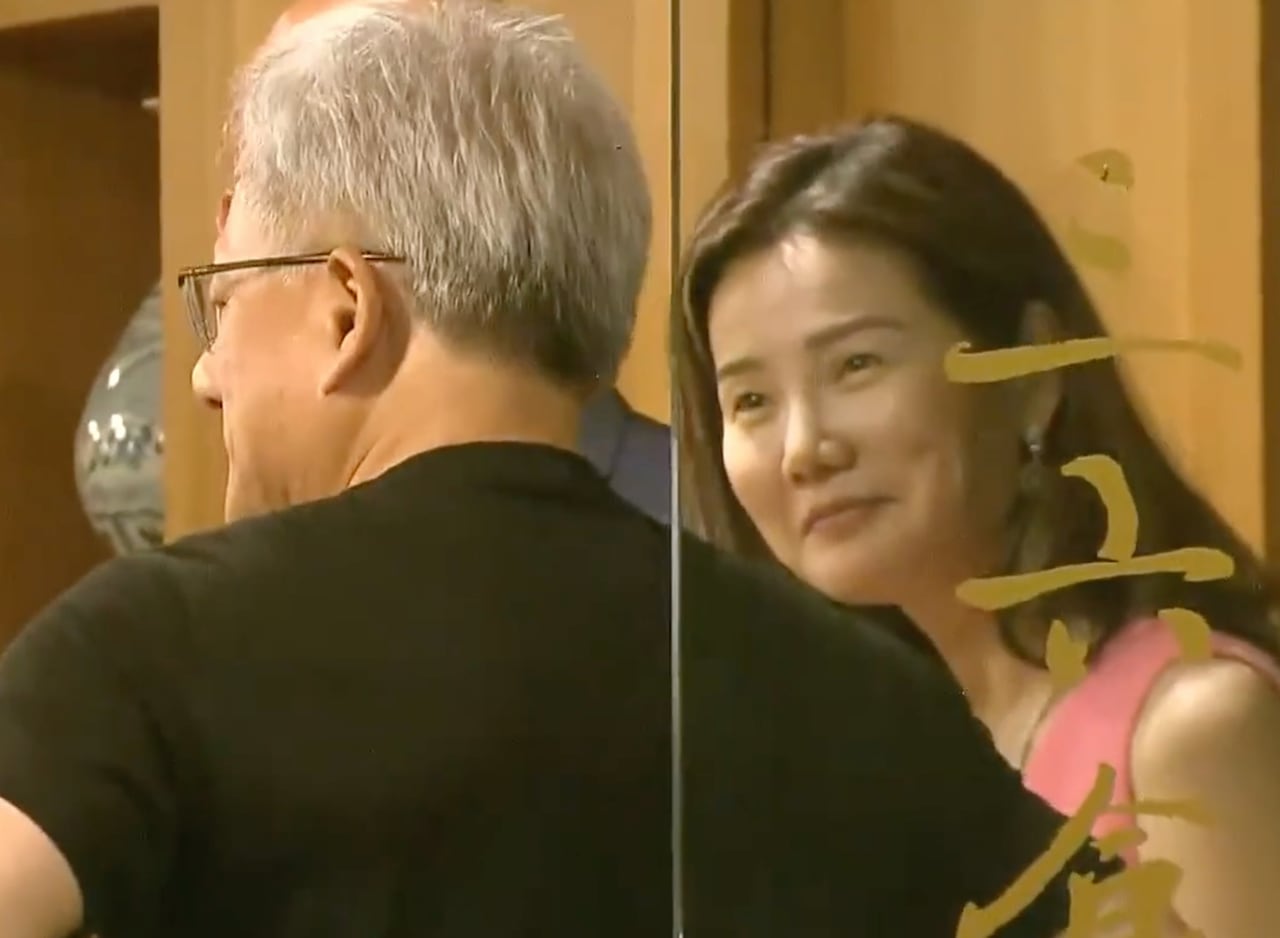
This image, captured from video provided by TVBS, shows Alice Huang at a dinner hosted by Jensen Huang in Taipei in May 2025. (TVBS/The Associated Press)
Heightened national security concerns
Earlier on Tuesday, Nvidia’s board established a committee focused on national security and export controls, marking its first significant governance action since Huang’s resignation, amid increasing scrutiny of the chipmaker’s national security implications.
The U.S. government has also tightened licensing regulations for chip exports to Southeast Asia and international data centers that serve Chinese companies, as lawmakers prepare to interrogate Huang, who had advocated for increased chip exports to China.
Investors were already feeling jittery about AI expenditures following the Democrats’ midterm victories, which raised concerns about stricter oversight and slower data-center growth. They are also curious whether Nvidia’s next CEO will continue the practice of financing customers, which critics have labeled circular.
Tuesday’s results provided initial insights into Vera Rubin, Nvidia’s latest AI processor generation and successor to Grace Blackwell. Nvidia indicated in August that Vera Rubin is expected to account for approximately 20 percent of data-center revenue in the October quarter and anticipates a 70 percent revenue growth in the upcoming fiscal year.
