
Nearly half of the food consumed by Canadians consists of ultra-processed items that pose health risks and are currently being examined closely.
This week, health researchers identified ultra-processed foods as a possible factor contributing to the increasing incidences of colorectal cancer among younger adults. Earlier research connected higher consumption of these products to obesity, Type 2 diabetes, and heart disease.
Concurrently, the presence of ultra-processed foods in our diets has significantly grown over the years.
Dr. Andrew Chan, the lead author of the study and a gastroenterologist at the Mass General Brigham Cancer Institute in Boston, stated, “We believe that ultra-processed food could be contributing to poorer gut health.”
A high intake of ultra-processed food and beverage items, such as those consumed while dining out, coupled with a scarcity of unprocessed or minimally processed foods — including prewashed and peeled vegetables or dried and canned legumes without added salt — can also impact health, according to registered dietitians studying Canadian health trends.
What are ultra-processed foods?
As implied by their name, these foods undergo extensive processing. Examples include mass-produced bread, various sugary breakfast cereals, instant soups, frozen meals, and processed meats like hot dogs and cold cuts that are laden with salt, preservatives, and additives.
Condiments, sauces, spreads, and sugary or artificially sweetened drinks are also part of the list referenced in the recent cancer research.
Packaged snacks, both savory and sweet, along with desserts are included as well.
What do they contain?
Ultra-processed foods primarily consist of fats, starches, added sugars, and hydrogenated fats derived from other foods.
Items in this category often contain preservatives that ensure their longevity on grocery store shelves.
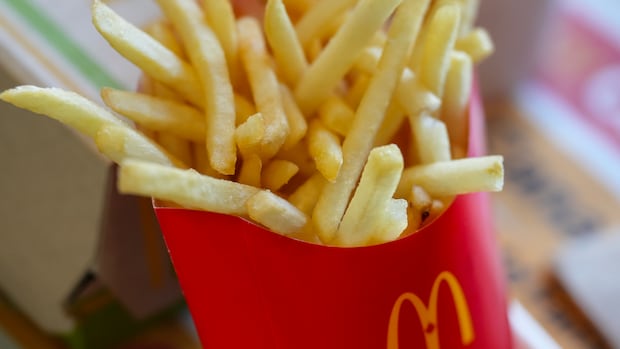
Fast food prices are on the rise, and major chains like Chipotle report a decline in young adult customers who are reducing their spending. With affordable meal deals available at McDonald’s and Burger King, the future of fast food hinges on Gen Z — yet many are choosing not to eat out.
These foods are typically low in fiber and frequently contain artificial sweeteners, according to Dr. Shady Ashamalla, a surgical oncologist at Sunnybrook’s Odette Cancer Centre who specializes in colon and rectal cancers.
Other prevalent ingredients include protein isolates and glucose/fructose syrup.
Additionally, ultra-processed foods may have additives such as artificial colors, flavors, or stabilizers.
How are they categorized?
Foods can be organized in various ways.
According to the Nova food classification system, established by researchers at the University of Sao Paulo in Brazil in 2009, items like freshly baked bread, homemade cheese, salted nuts, and bacon fall under the processed category due to their inclusion of added salts, sugars, and fats for preservation or enjoyment.
The Nova system ranks foods based on their level of processing, from unprocessed or natural items to ultra-processed options.
Are some worse than others?
In general, highly processed foods with extensive ingredient lists tend to have reduced nutrient density while health risks may rise, according to scientists.
However, there are exceptions, and some items can be more difficult to classify, such as certain calcium-rich yogurts and high-fiber cereals.
Yogurt also promotes gut health. “Unsweetened varieties are the best choice, as flavored or fruit-bottom yogurts introduce extra sugar and calories,” noted Russell de Souza, a registered dietitian and associate professor at McMaster University’s Population Health Research Institute in Hamilton, Ontario.
How can I reduce my consumption?
“We understand that dietary choices are closely linked to social economic status,” Ashamalla commented. “Ultra-processed foods are often quick and convenient.”
Ashamalla emphasized that cutting back on ultra-processed foods is advantageous.
This entails purchasing fresh or flash-frozen ingredients when feasible and preparing meals at home, as suggested by health professionals and dietitians.
Generally, unprocessed or minimally processed foods do not require labeling.
“Frozen vegetables and canned beans are usually more affordable than fresh options, and since their nutritional values are quite similar, I recommend them,” stated de Souza.
Opt for vegetables, grains, legumes, fruits, nuts, meats, seafood, herbs, spices, garlic, eggs, and dairy. Make these whole, natural foods the foundation of your diet, as recommended by Heart & Stroke.
Tag: rewrite-pending
