
Trade talks between the U.S. and Canada were abruptly ended by President Donald Trump, causing disagreement among premiers over which industries should receive priority in the face of tariffs.
The clash included Ontario’s auto sector competing against the canola industry in the prairies, while B.C. raised concerns about the lack of attention given to the lumber industry.
Despite Trump’s actions leading to a more united front among provinces, tensions remain due to ongoing tariffs.
Here’s an overview of the industries most affected by tariffs in each province and the premiers’ responses as Canada navigates new trade negotiations.
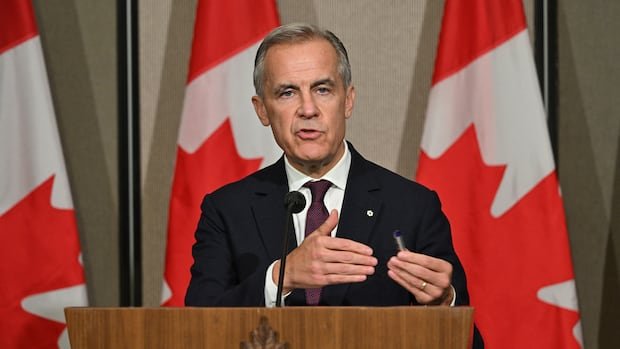
British Columbia
B.C. Premier David Eby criticized the federal government for neglecting the lumber industry, emphasizing the urgent need to address the challenges faced by the forestry sector.
Following a surge in timber and lumber tariffs imposed by the Trump administration, B.C.’s forestry industry, which provides substantial employment, faced significant pressure.
While energy and minerals are B.C.’s primary exports to the U.S., wood products rank closely behind, supporting a significant portion of the province’s workforce.
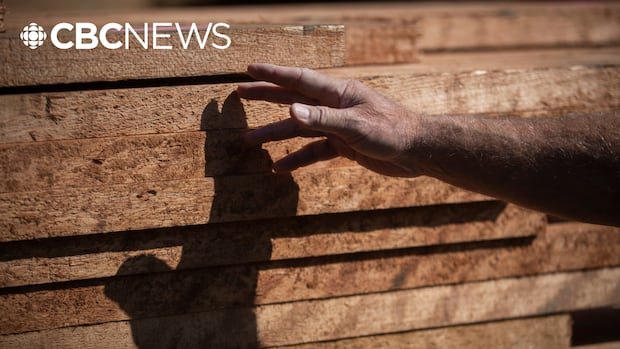
Alberta
Alberta heavily relies on its oil and gas industry, constituting a significant portion of its exports to the U.S., although the sector has felt indirect impacts from shifts in American trade policies.
The province faced challenges due to lower oil prices and non-renewable resource revenue falling short of projections, influenced by global trade dynamics affecting energy demand.
Saskatchewan
Concerns arose in Saskatchewan over Chinese tariffs on agricultural products, particularly canola, with significant implications for the province’s
