
Katie MacIntosh had always dreamed of visiting Antarctica, but her first experience on the continent didn’t go as expected.
Attempting to snorkel from her zodiac to the shore, she quickly discovered her wetsuit was leaking.
Reflecting on the moment, she shared, “There was physical discomfort, but also the overwhelming emotion of setting foot on a continent so few get to explore, especially women in science. It was a truly emotional day for me.”
This was just one of the many memorable experiences for three geoscientists from Nova Scotia during their month-long research trip to Antarctica.
Twenty-four women from various countries, all experts in different fields, embarked on this journey with Sea Women Expeditions to study climate change impacts.
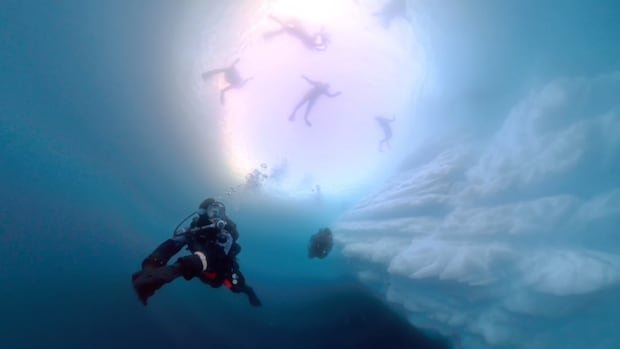
Three geoscientists from Nova Scotia have returned from a month-long Antarctica expedition focusing on climate change research. Now back, they aim to share their experiences with a wider audience. CBC’s Carolyn Ray reports.
Coincidentally, three out of the four leaders in underwater robotics were from Nova Scotia, highlighting the province’s expertise in ocean science.
Describing the journey, MacIntosh, originally from Antigonish but working in London, England, mentioned, “For explorers and ocean scientists, this opportunity is a dream come true.”
As a marine geomatics engineer overseeing the trip’s planning and technology, she emphasized the significance of conducting successful scientific work in such remote and challenging environments.
The team dedicated weeks to scuba diving and snorkeling to collect underwater data, studying leopard seal behavior, examining whale bones, and mapping glaciers.
While their work was serious, they also infused a touch of home by playing Maritime tunes on a speaker while deploying robotic equipment from their zodiac.
Sharing a light-hearted moment, Heather Pearce from Chester, a geoscientist consultant with WSP Canada, joked about their daily “kitchen party” on the zodiac, bringing their Maritime spirit to Antarctica.
She recounted her experience diving near glaciers to study benthic marine life, expressing how the descent into the water was a cherished memory.
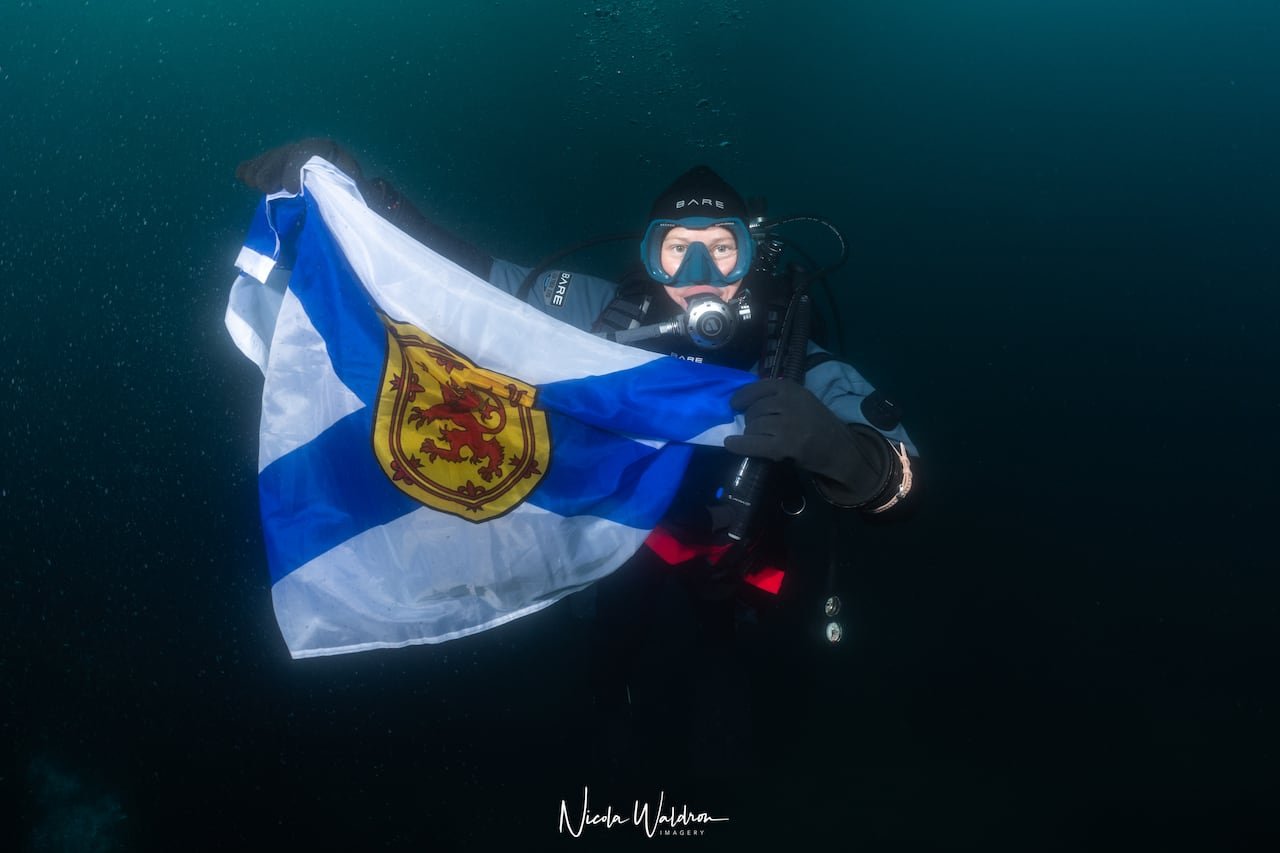
Denise Brushett, originally from the Lake Ainslie area and now residing in Halifax, specialized in mapping.
A lover of glaciers, she described witnessing the ice in Antarctica as a transformative moment.
Overwhelmed by the brightness, majestic whales, and colossal icebergs, she was moved to tears by the surreal beauty of the scenery.
Brushett highlighted the stark contrast between historical maps and the current landscape, noting the visible impact of melting ice with the emergence of new
